
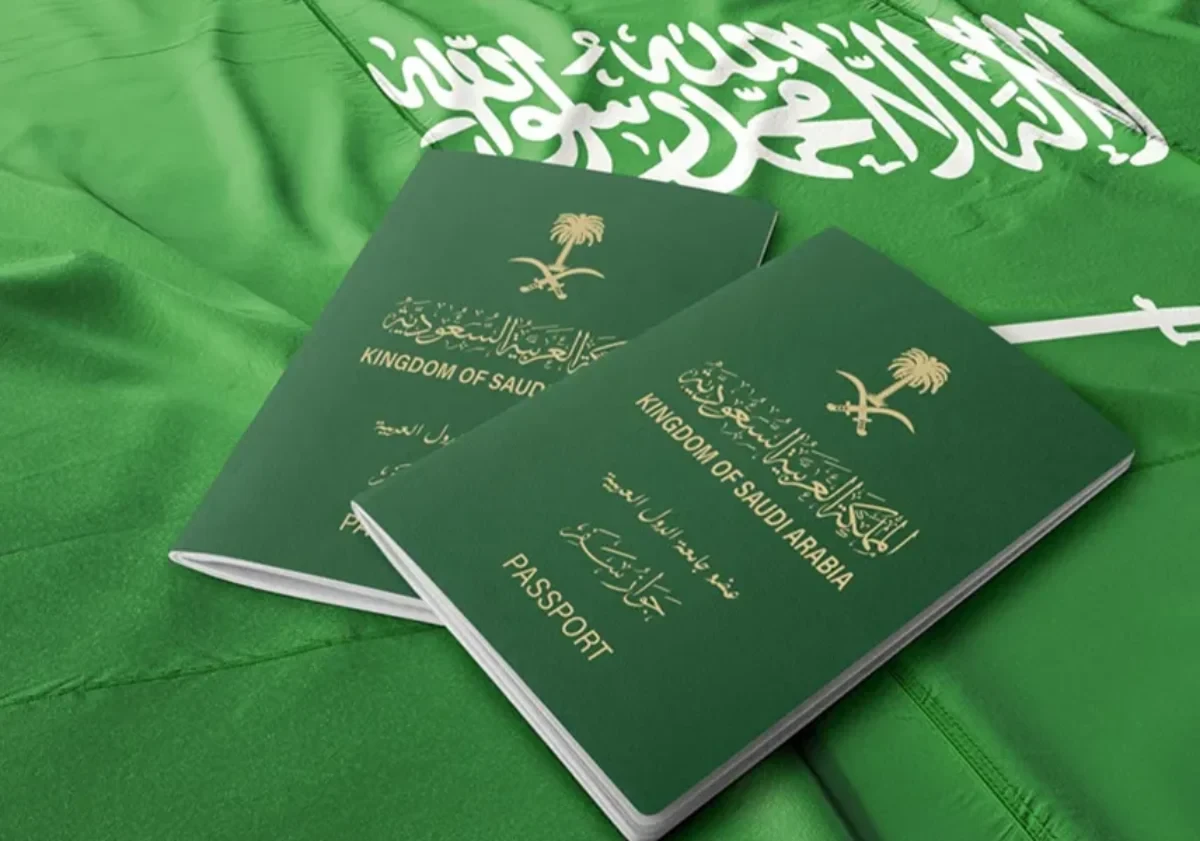
Saudi Arabia has introduced a significant labour-market reform that can reshape hiring strategies for private-sector employers and unlock new income pathways for expatriate families. Under Cabinet Resolution No. 831 (dated September 10, 2025), the Ministry of Human Resources and Social Development (HRSD) has been authorized to regulate work permits for eligible dependents residing in the Kingdom under family (dependent) residency.
In practical terms, this reform enables certain dependent visa holders—who historically faced restrictions on formal employment—to obtain legal work authorization in HRSD-approved activities and professions, subject to compliance rules and government-system approvals.
Why the Kingdom made this change
From a policy standpoint, the direction is consistent with Vision 2030’s focus on labour-market efficiency and better utilization of human capital already inside the country. Allowing qualified dependents to join the workforce can:
- Increase the available talent pool without expanding inbound recruitment
- Improve household stability for expatriate families
- Help employers fill specialized roles faster, particularly where skills are scarce
- Support the broader shift toward skills-based labour governance introduced in 2025
What HRSD is empowered to regulate
The legal shift is not just “permission to work”—it is a framework. The resolution grants HRSD authority to define:
- Which economic activities and professions can employ dependents
- Rules and controls for issuing and managing permits (in coordination with relevant agencies)
- Fees for dependent work permits and how they are assessed
A key point for employers and applicants: multiple reputable legal and policy summaries indicate that fees for dependent work permits are designed to be equivalent to fees imposed on expatriate workers in the private sector, with the fee structure determined in coordination with the relevant financial authorities.
Who may qualify for a dependent work permit
Eligibility is not universal. In practice, approval typically hinges on three areas:
1) Relationship and dependent status
Most commonly, eligible applicants are dependents of lawful residents (e.g., spouse and qualifying children), subject to Saudi residency rules and dependent definitions.
2) Residency compliance
Applicants generally need:
- A valid dependent residency status and active Iqama
- Clean compliance history (no residency/labour violations)
3) Skill and role alignment
Saudi Arabia’s 2025 labour reforms increasingly emphasize skill alignment and classification. For dependent applicants, employers should expect that HRSD will assess whether the candidate’s qualifications match the role and whether the job fits within permitted categories.
Note: HRSD can update permitted categories and requirements, so organizations should rely on current HRSD platform guidance at the time of application.
Which sectors are likely to be open (and what may remain restricted)
Rather than treating this as “all jobs are open,” a safer and more accurate way to view it is: HRSD can open or narrow sectors based on labour-market conditions and policy priorities.
In many market summaries, the openings most frequently discussed are roles that tend to face recurring demand—such as healthcare, education, and professional/technical services—while sensitive or Saudization-restricted roles (e.g., certain government/security functions) may remain limited.
How the application process works (a practical employer-friendly view)
While exact steps depend on the worker category and HRSD’s current portal workflow, the process generally involves:
Step 1: Document readiness
Applicants and employers should be ready with valid identification/residency documents and verifiable qualifications (plus any licensing required for regulated professions).
Step 2: Employer initiates/coordinates the permit process
Employers should ensure they are compliant with labour requirements and able to sponsor/contract the worker properly under HRSD rules.
Step 3: Use official platforms for issuance and verification
Saudi Arabia’s employment services heavily rely on digital platforms—most commonly Qiwa for work-permit services and related employment processes, with residency-related verifications typically handled through government-linked systems.
Step 4: Fees and authorization
Once approved, the work authorization is issued according to HRSD controls and is tied to the legal employment relationship. Fees—where applicable—are structured under HRSD’s authority.
What this means for investors and manufacturers
For investors building operations in Saudi Arabia—especially in sectors with recurring specialist shortages—this reform can reduce time-to-hire by expanding the available already-resident talent pool.
For manufacturers, this is also relevant operationally: dependent work authorization can support faster staffing for functions such as quality, compliance, technical administration, education/training roles, IT, finance, and other white-collar support functions—subject to role eligibility and Saudization constraints.
Key takeaways
- This is not a blanket permission for all dependents to work everywhere. It is a regulated framework driven by HRSD approvals and sector/profession eligibility.
- Employers should treat dependent hiring like a compliance-led workflow, not an informal arrangement.
- Dependents with strong qualifications may become a strategic hiring channel, particularly in professional and technical categories, aligned with the Kingdom’s 2025 skills-based governance direction.
Planning to hire dependent visa holders or expand your workforce in Saudi Arabia?
Saudi Visa Agency (SVA) assists Indian investors and companies with end-to-end business setup in Saudi Arabia, including company formation, regulatory approvals, and post-registration support. Our services extend to PRO services, visa processing, workforce compliance, and HRSD coordination, ensuring your hiring and operational decisions align with Saudi labour and immigration regulations.
Whether you are evaluating eligibility for dependent-visa work permits, planning workforce structuring, or seeking ongoing compliance support after incorporation, SVA provides practical guidance tailored for Indian businesses entering and operating in the Kingdom.
Contact SVA today for a confidential consultation and eligibility assessment.
Let us help you navigate Saudi Arabia’s evolving regulatory framework with clarity and confidence.

Leave a Reply
0 Comments