

Saudi Arabia has rapidly transformed into one of the most attractive business destinations in the Middle East. With investor-friendly reforms and Vision 2030 initiatives, many entrepreneurs are now looking to start business in Saudi Arabia for foreigners. Whether you’re an investor, startup founder, or established business owner, the Kingdom offers promising opportunities across sectors like construction, IT, tourism, and retail.
In this guide, you’ll learn everything you need to know—from legal requirements to licensing—so you can confidently enter the Saudi market.
Why Saudi Arabia is Attractive for Foreign Entrepreneurs
Saudi Arabia has opened its doors to foreign investors by simplifying regulations and offering incentives. The government actively encourages international businesses to set up operations in the country.
Some of the key advantages include a strong economy backed by oil and diversification strategies, strategic geographic location connecting Asia, Europe, and Africa, and a growing consumer market with high purchasing power. Additionally, the country allows 100% foreign ownership in many sectors, making it easier than ever for international entrepreneurs.
For anyone planning to start business in Saudi Arabia for foreigners, these benefits make it a highly competitive global destination.
Types of Business Entities Available
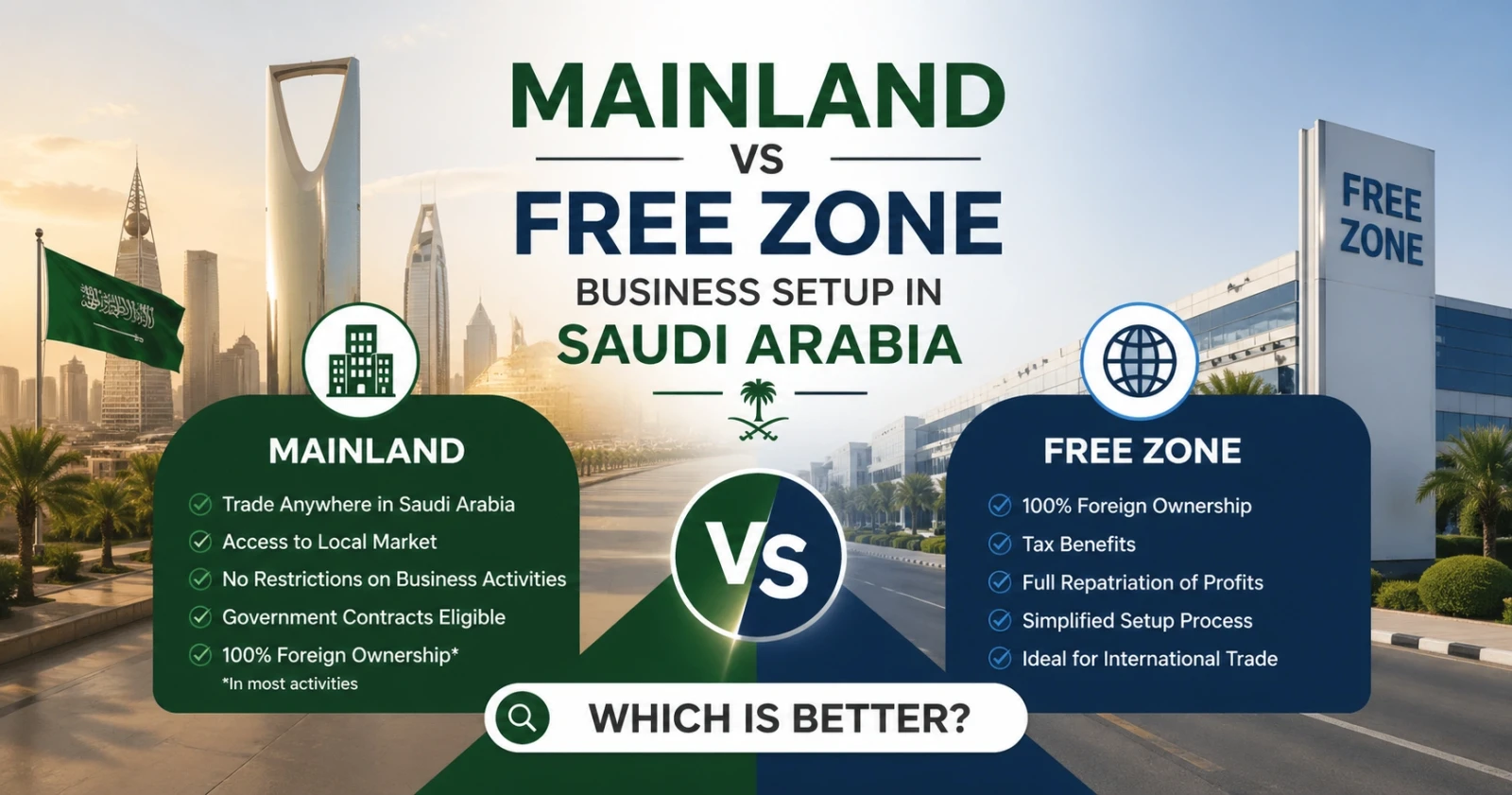
Before you begin the registration process, it’s essential to choose the right business structure. The most common options include:
- Limited Liability Company (LLC): Ideal for small to medium-sized businesses
- Joint Stock Company (JSC): Suitable for large-scale enterprises
- Branch Office: Perfect for foreign companies expanding into Saudi Arabia
- Representative Office: Used for market research and promotion
Choosing the right structure depends on your business goals, investment capacity, and operational plans.
Legal Requirements for Foreign Investors
Understanding the foreign investment business Saudi Arabia requirements is crucial for smooth company formation. The Saudi government has established clear regulations to ensure transparency and compliance.
Foreign investors must obtain approval from the Ministry of Investment, maintain minimum capital requirements depending on the business activity, and comply with Saudization policies, which involve hiring a certain percentage of Saudi nationals. Additionally, businesses must follow local tax regulations, including VAT and corporate tax rules.
These requirements are designed to create a balanced environment where both local and foreign businesses can thrive.
Step-by-Step Process to Start a Company
If you’re wondering how to start a company in Saudi Arabia as a foreigner, the process is straightforward but requires careful attention to detail.
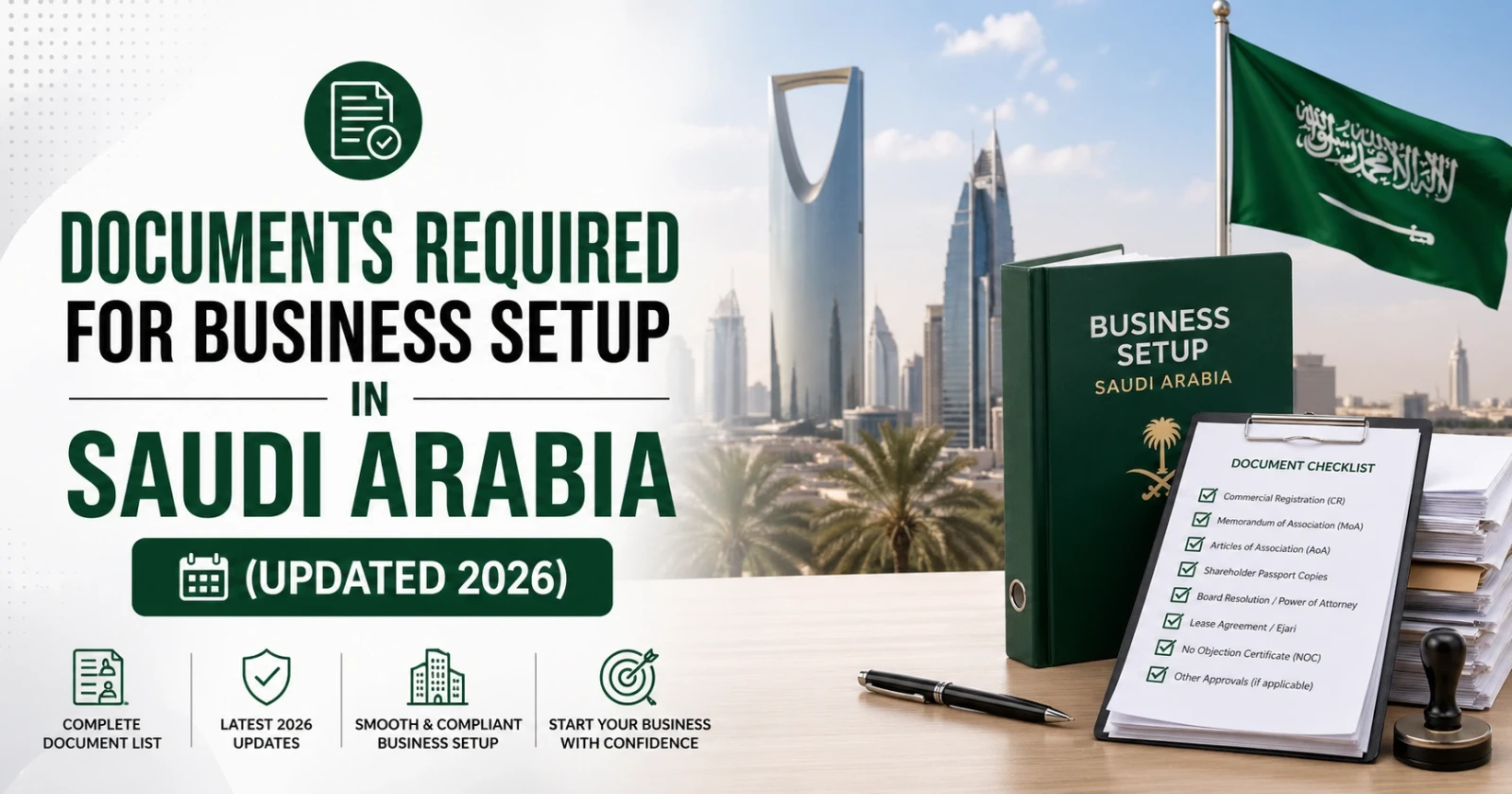
First, identify your business activity and ensure it aligns with permitted sectors for foreign investment. Then, reserve your company name through the official portal. After that, apply for the investment license and prepare legal documents such as Articles of Association.
Once approved, you’ll need to register your business with the Ministry of Commerce, open a corporate bank account, and obtain necessary municipal licenses. Finally, register for taxes and complete employee visa processes if required.
Following these steps carefully ensures a smooth and compliant business setup.
Understanding the MISA License Process
One of the most critical steps is obtaining approval through the MISA license Saudi Arabia process for foreigners. The Ministry of Investment (MISA) is responsible for granting licenses to foreign investors.
The process involves submitting an online application along with required documents such as financial statements, business plans, and passport copies. Once reviewed, MISA issues an investment license that allows you to legally operate in Saudi Arabia.
This license is essential for all foreign investors and serves as the foundation for your business operations in the Kingdom.
Costs Involved in Business Setup
Starting a business in Saudi Arabia involves several costs that vary depending on your industry and company size. These include licensing fees, registration costs, office rent, employee visas, and legal documentation expenses.
While the initial investment might seem high, the long-term benefits and growth potential often outweigh the costs. Many investors consider the Saudi market a profitable destination due to its expanding economy and government support.
Challenges Foreigners May Face
Although the process has become easier, foreign investors may still encounter some challenges. These include understanding local regulations, navigating cultural differences, and meeting Saudization requirements.
Working with experienced consultants like Saudi Visa Agency can help simplify the process and ensure compliance with all legal requirements. Their expertise can save time and reduce the risk of costly mistakes.
Tips for Successful Business Setup
To succeed in Saudi Arabia, foreign entrepreneurs should focus on proper planning and market research. Understanding local consumer behavior and building strong business relationships is essential.
Here are a few practical tips:
- Conduct thorough market research before entering the market
- Choose the right local partners or consultants
- Ensure compliance with all legal and tax regulations
- Invest in marketing and brand positioning
These strategies can significantly improve your chances of success in the Saudi market.
Company Formation in Saudi Arabia for Expats
The process of company formation in Saudi Arabia for expats has become more streamlined in recent years. The government has introduced digital platforms and simplified procedures to attract global investors.
Expats can now establish businesses with fewer restrictions, provided they meet regulatory requirements. This includes obtaining necessary licenses, registering with government authorities, and adhering to labor laws.
With the right guidance and preparation, expats can successfully build and grow their businesses in Saudi Arabia.
Explore More:- student visa for saudi arabia | saudi temporary work visa | saudi tourist visa
Key Industries for Foreign Investment
Saudi Arabia offers diverse opportunities across multiple sectors. Some of the most promising industries include:
- Construction and infrastructure development
- Information technology and digital services
- Tourism and hospitality
- Healthcare and pharmaceuticals
These sectors align with the country’s Vision 2030 goals, making them highly attractive for foreign investors.
Start Business in Saudi Arabia for Foreigners: Final Checklist
Before launching your business, ensure you have completed all essential steps. Double-check your documentation, confirm your licenses, and ensure compliance with local laws.
If you plan to start business in Saudi Arabia for foreigners, having a clear roadmap and professional support can make the journey much smoother. Many entrepreneurs choose trusted partners like Saudi Visa Agency to handle documentation and approvals efficiently.
Conclusion
Starting a business in Saudi Arabia as a foreigner is now more accessible than ever. With supportive government policies, a growing economy, and simplified procedures, the Kingdom offers immense opportunities for global entrepreneurs.
By understanding the legal requirements, following the correct steps, and obtaining the necessary licenses, you can successfully establish your business. Whether you’re a startup or an established company, Saudi Arabia provides a strong foundation for long-term growth and success.
Frequently Asked Questions
1. Can foreigners fully own a business in Saudi Arabia?
Yes, foreigners can own 100% of a business in many sectors, depending on the activity.
2. What is the minimum investment required?
The minimum investment varies based on the business type and industry.
3. How long does it take to register a company?
It typically takes 2–6 weeks, depending on approvals and documentation.
4. Is a local sponsor required?
In many cases, a local sponsor is not required due to recent reforms.
5. What is the MISA license?
It is an investment license issued by the Ministry of Investment, allowing foreigners to operate legally in Saudi Arabia.


Leave a Reply
0 Comments